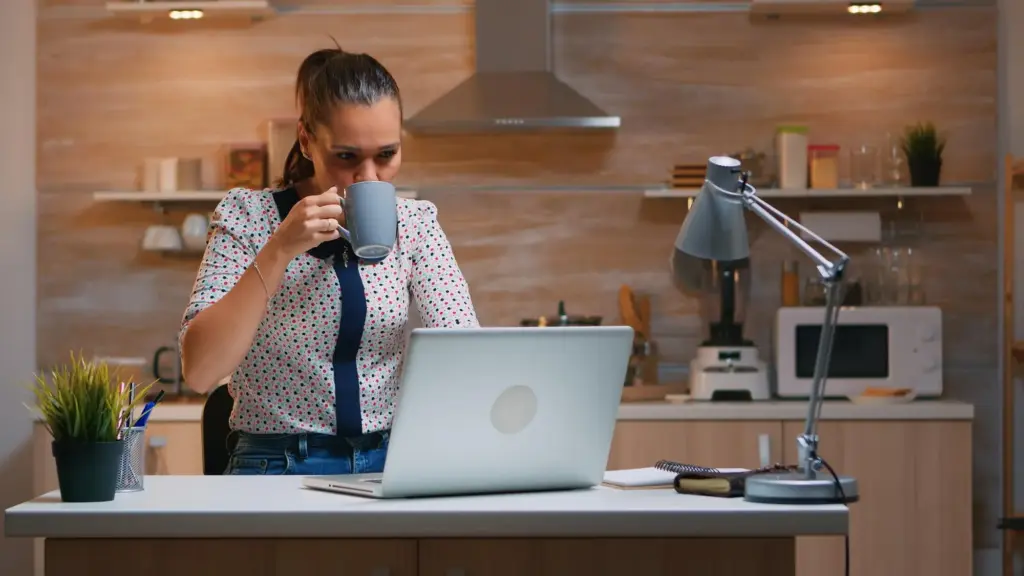
In Ten Minutes, Come Home to Calm

Step into a pocket of calm you can create in just ten minutes. We explore designing a 10‑minute home sanctuary using smart layouts, responsive lighting, and meaningful rituals, so your space reliably resets stress, restores focus, and welcomes you back to yourself, even on the busiest days.

Flow First: Arranging Space That Guides You To Calm

Before candles or cushions, start with flow. A supportive layout reduces friction, predicts your next move, and quietly invites restorative behavior. We’ll map simple pathways, clear thresholds, and anchor points so returning home automatically nudges you toward breathing deeper, moving slower, and reclaiming attention within minutes, not hours.

Light That Listens: Day-to-Night Illumination

Rituals That Fit Between Meetings

Short, repeatable actions calm the body faster than rare, elaborate sessions. We will build a ten‑minute arc that opens gently, centers intentionally, and closes cleanly, so your brain pairs this place with relief. No perfection required—just consistency, kindness, and cues you genuinely enjoy returning to.
Begin with an unclench: a slow doorframe stretch, three rounds of box breathing, and a five‑senses check that names one sight, sound, scent, texture, and taste. These tiny yeses lower resistance, gather scattered attention, and tell your whole system that care is finally happening here.
Choose one anchor: a gentle mobility flow, a cup of tea sipped mindfully, or a gratitude list limited to three specifics. Let a steep timer or playlist length structure the minutes, keeping you honest without stress while momentum builds toward a calm, satisfying close.
End with a micro tidy of exactly ten items, a power‑down ritual for screens, and one sentence describing how you want the next hour to feel. These finishing touches convert good intentions into muscle memory, so relief returns faster every time you arrive.

Scent, Sound, and Texture as Quiet Technology

Ambient details are not decoration; they are levers on physiology. Gentle sound masks chaos, familiar aromas anchor safety, and tactile cues slow hurried hands. Layering these inputs with intention helps the room speak fluently to your nervous system, encouraging regulation without coercion or costly gadgets.

Ten-Minute Declutter That Sticks

{{SECTION_SUBTITLE}}

The 3-Container Sweep

Set three containers labeled Keep, Relocate, and Release. Walk one loop, touching each item once, moving fast enough that overthinking cannot catch you. Stop when the song ends. Photograph your progress to reward your brain’s effort and reinforce that small actions produce visible change quickly.

Hide in Plain Sight

Stage everyday tools openly but beautifully: a shallow tray for remotes, a lidded basket for chargers, a stone bowl for keys. Clear labels and cable sleeves reduce visual noise. When storage looks inviting, returning objects becomes satisfying, and disorder loses its sneaky, energy‑draining grip.

Make It Yours: Stories, Symbols, and Gentle Accountability

A Corner With History

Choose one object with a story and place it where your eyes land first. Add a handwritten note about why it matters, then rotate monthly. This simple curating practice prevents clutter while deepening attachment, turning a small surface into a steady reminder of values.

Words That Anchor

Choose one object with a story and place it where your eyes land first. Add a handwritten note about why it matters, then rotate monthly. This simple curating practice prevents clutter while deepening attachment, turning a small surface into a steady reminder of values.

Invite Others In

Choose one object with a story and place it where your eyes land first. Add a handwritten note about why it matters, then rotate monthly. This simple curating practice prevents clutter while deepening attachment, turning a small surface into a steady reminder of values.